


What are Polymer Candle Filters?
Polymer candle filters are stainless steel filter elements with precise micron openings. They remove impurities from molten polymer during processing. These filters may be made from pleated wire mesh or sintered fibre media, both giving large surface area and strong filtration performance.
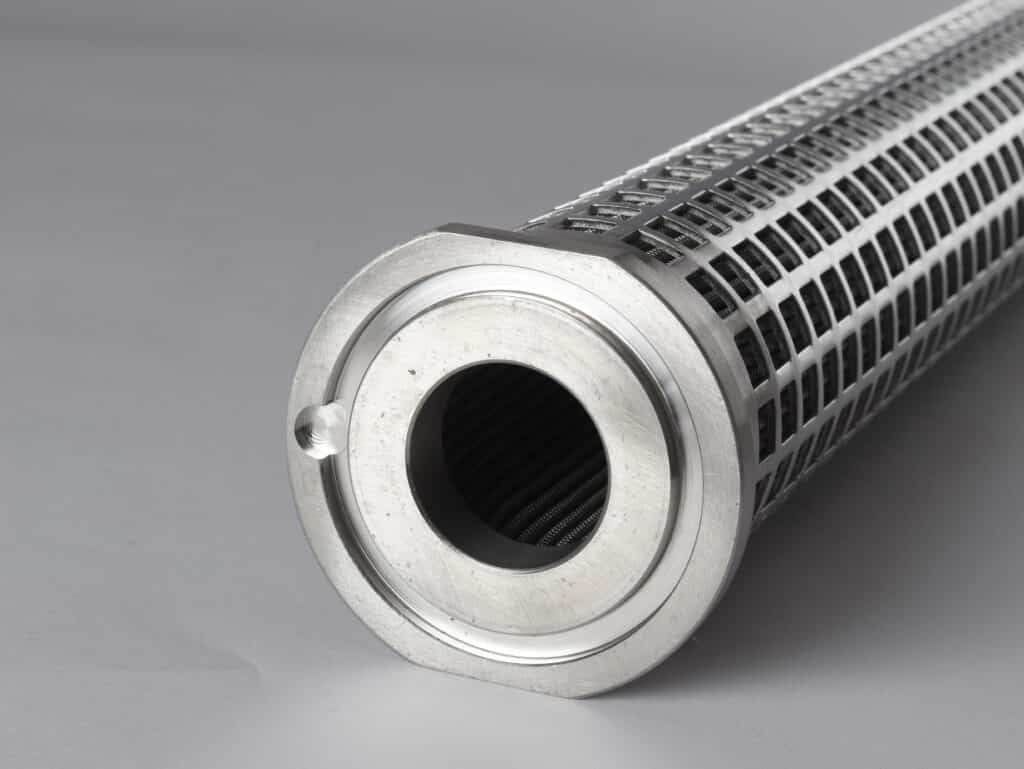
They are used where the cleanliness of the polymer matters, for example, in textile fibers, plastic films, bottles, and other high-quality polymer products.
Why Cleaning Polymer Candle Filters Matters?
Polymer candle filters are a key part of filtration systems used in industries like polyester yarn, plastics, film, and chemical fiber production. These filters remove tiny solid impurities such as gels and contaminants from the molten polymer. Good cleaning helps keep production smooth, improves product quality, and extends the life of filters.
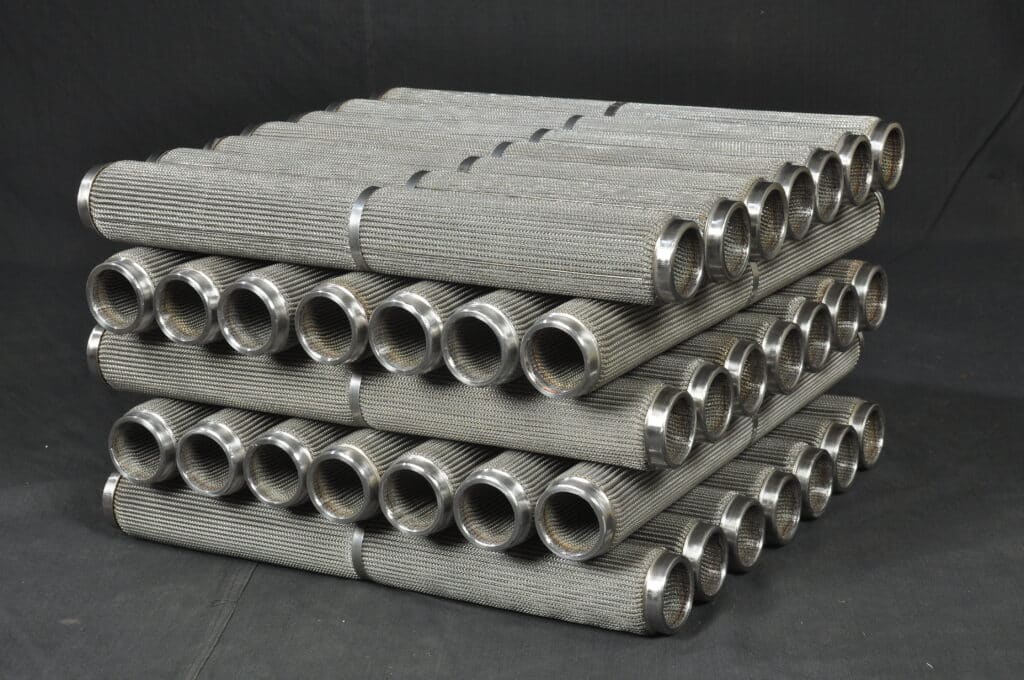
Because these filters work at high temperatures and pressure, the cleaning process must be done carefully and correctly. This blog explains, in simple words, how to clean polymer candle filters step by step, so that your equipment runs efficiently without frequent breakdowns.
Why Filters Get Dirty?
During normal production, small bits of degraded polymer, gels, catalysts, fillers, and other solid particles get trapped in the filter media. Over time, this builds up and increases the pressure on the filter and slows down the flow. If not cleaned on time:
- Production pressure increases
- Melt flow decreases
- Energy consumption rises
- The filter may need replacement sooner
Cleaning allows the filter to be reused, saving costs and reducing downtime.
When to Clean Your Candle Filters
You should clean the filter when you notice:
- Increase in pressure drop (ΔP) across the filter.
- Reduced polymer flow rate.
- More particles are seen in the final product.
A good practice is to monitor pressure and flow regularly and plan cleaning before the filter performance drops significantly.
Step by Step Cleaning Process of Candle Filters (Simple & Clear)
1. Safety First
Before cleaning, make sure the filter vessel is completely cooled and depressurized. Turn off the system as per safety rules. Always use safety gear like gloves, goggles, aprons and masks.
2. Remove the Candle Filters Safely
Open the filter housing only when it is safe. Gently remove the candle filter elements without bending or damaging them.
3. Remove Loose Polymer Debris
Use soft brushes or low-pressure air to gently remove big chunks of polymer or contamination on the filter surface. Do this carefully to avoid damaging the filter media.
4. Choose a Cleaning Method Based on Contamination
There are a few common ways filters are cleaned in the industry. The choice depends on how dirty the filter is and the polymer type:
a) Thermal Cleaning (Heat Based)
This uses heat to burn or soften the leftover polymer. Often done in a controlled furnace or hot tank with limited oxygen, so the filter does not oxidize or get damaged.
b) Solvent Cleaning
Filters are soaked or flushed with a solvent that dissolves polymer residues. This is safe when done with proper solvent choice and disposal rules, and it does not stress the metal.
c) Ultrasonic Cleaning
Ultrasonic baths produce tiny high-frequency waves that help remove particles from deep inside the filter surface without damaging it. It’s best for fine pleated or sintered filters.
d) Hot Water Rinsing
After chemical/solvent steps, rinsing with hot water helps remove leftover residues and cleaning chemicals.
5. Drying and Final Inspection
After cleaning:
- Dry the filters completely with gentle, heated air.
- Check the filter visually for any remaining stains or damage.
- If available, do a bubble point or air flow test to confirm that the pores are clean and intact.
Tips to Keep Filters Clean Longer
To reduce cleaning frequency:
✔ Monitor pressure and flow regularly.
✔ Use filters with larger surface area (like pleated filters).
✔ Avoid contaminants upstream by proper pre-screening.
✔ Train staff on proper handling and storage of filters.
How Cleaning Helps Your Business
Proper Cleaning:
- Helps maintain consistent product quality.
- Lowers waste and material loss.
- Saves money by extending filter life.
- Reduces unplanned downtime.
Conclusion: Simple, Effective and Reliable Cleaning
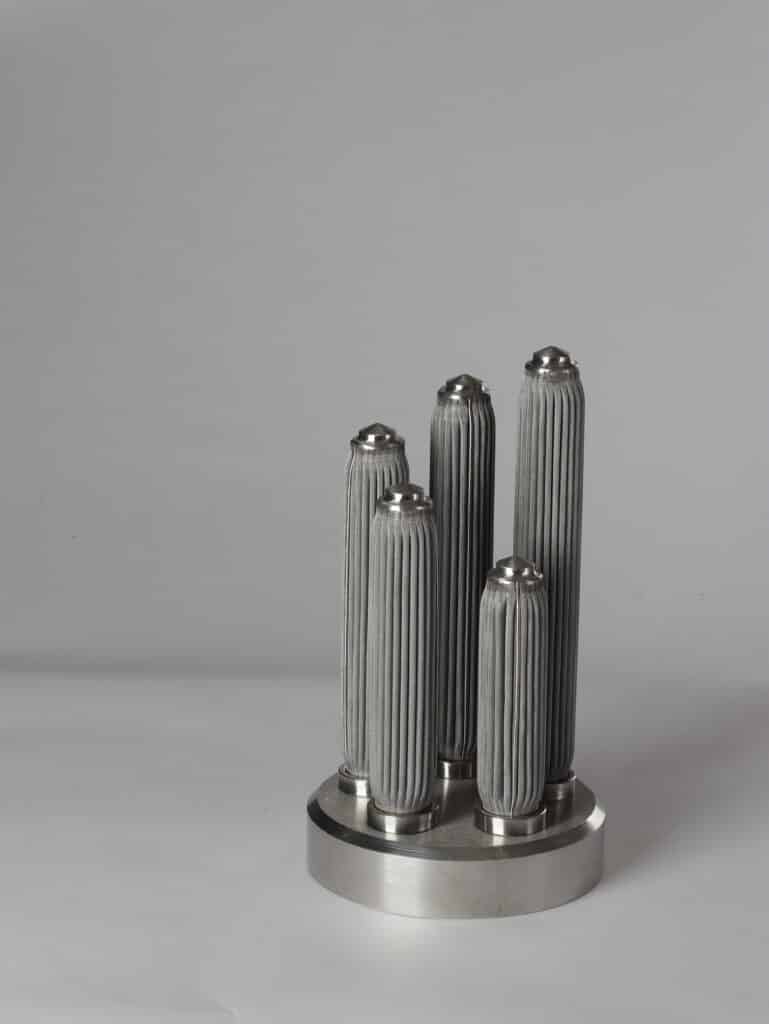
Cleaning polymer candle filters does not have to be complicated. With the right method, thermal, solvent, ultrasonic, or hot water rinse, you can restore filters to performance and reuse them many times. Always follow safety rules, inspect your filters carefully, and clean them before pressure builds too much. A regular cleaning routine keeps your production line smooth and helps you get more life out of your filters.
